



Tooth Extractions
Tooth extraction can relieve pain, stop infection, and protect surrounding teeth. When a tooth cannot be saved, gentle removal supports oral health, restores comfort, and helps you return to eating, smiling, and daily life with lasting peace of mind and confidence.
Tooth Extraction
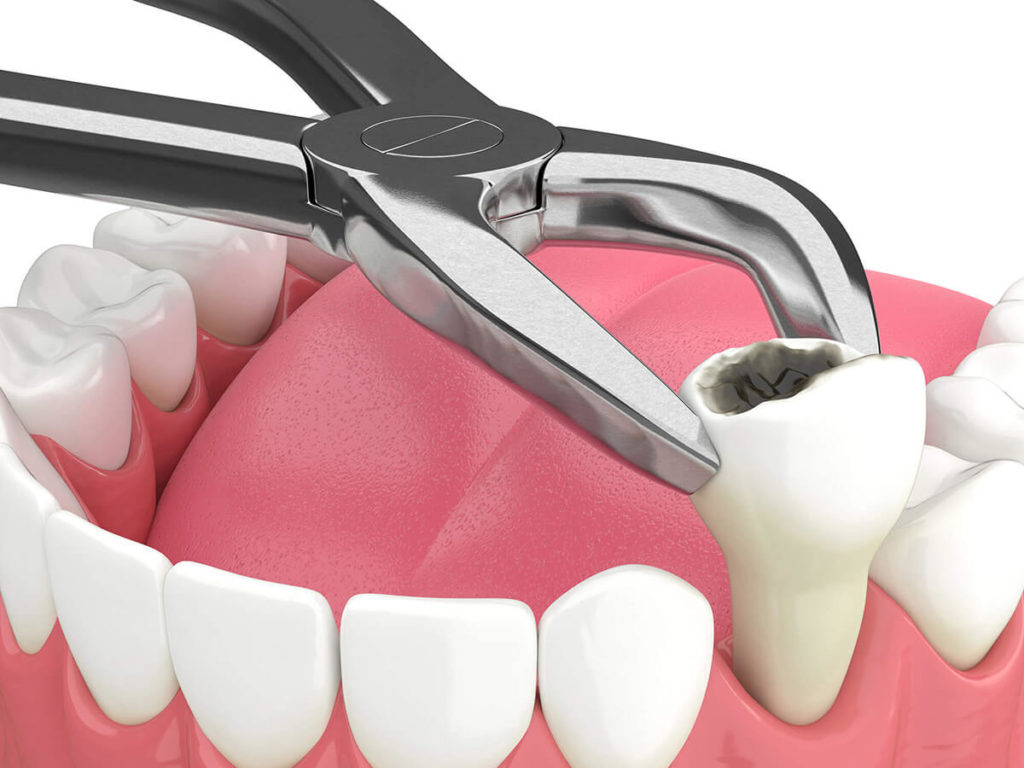
A tooth extraction is a common dental procedure where a tooth is gently removed to protect your overall oral health. Extractions are sometimes necessary when a tooth is severely damaged by decay, infection, or trauma, or when overcrowding affects alignment. Removing a problematic tooth can relieve pain, prevent the spread of possible infection, and protect surrounding teeth and gums.
In some cases, extractions also help prepare your mouth for orthodontic treatment or dentures. Our dental team prioritizes your comfort, using modern techniques to make the process as smooth and stress-free as possible.
-
How do I prevent dry socket following a tooth extraction?
Dry socket is a painful condition that can occur after a tooth extraction when the blood clot that usually protects the healing site becomes dislodged or dissolves too early. Without this clot, the underlying bone and nerves are exposed, leading to discomfort and delayed healing. To help prevent dry socket, carefully follow your dentist’s aftercare instructions. Avoid smoking or using straws for several days, as suction can disturb the clot. Stick to soft foods, keep the area clean, and rest as recommended. Taking these simple steps can support proper healing and reduce complications.
-
When and why are wisdom teeth removed?
Wisdom teeth (third molars) often appear in the late teens or early 20s. Sometimes they come in normally and don’t cause problems, but many mouths don’t have enough room. When wisdom teeth are impacted (stuck under the gums), growing in at an angle, or hard to clean, they can lead to pain, swelling, crowding, cavities, or infection. Removing them can help protect nearby teeth and prevent future issues. A quick exam and X-rays let your dentist see what’s happening and recommend the best timing.
-
What restorative options can replace an extracted tooth?
After a tooth is extracted, replacing it helps protect your smile, bite, and long-term oral health. Common restorative options include dental implants, which look and function like natural teeth and help preserve jawbone; dental bridges, which “bridge” the space by anchoring to nearby teeth; and partial dentures, a removable, budget-friendly option for replacing one or multiple teeth. Your ideal solution depends on your health, bone support, timeline, and goals. We’ll walk you through the pros and costs, answer every question, and help you feel confident in your next step.
Need More Information on Tooth Extraction?
If you would like to learn more about tooth extractions or think you may need a tooth extracted, please don't hesitate to reach out!