
Sedation Dentistry
Sedation dentistry helps patients feel calm, comfortable, and relaxed during dental procedures. It’s ideal for dental anxiety, sensitive teeth, or longer treatments, allowing you to receive the care you need with less stress and greater confidence in a supportive environment.
The Purpose of Dental Sedation
Sedation dentistry uses medication to help patients feel calm, relaxed, and comfortable during dental procedures. Sedation can be mild, moderate, or deep, depending on your needs and the treatment being performed. Dentists use sedation to help patients with dental anxiety, a sensitive gag reflex, difficulty sitting still, or those undergoing longer or more complex procedures. By reducing stress and discomfort, sedation dentistry allows care to be completed more efficiently, helping patients have a more positive, fear-free dental experience overall and encouraging regular visits and smiles.
Our team offers nitrous oxide, known as laughing gas, and minimal sedation, also known as oral conscious sedation. A consultation is required before minimal sedation appointments to confirm your medical history and discuss policies and procedures. We are also happy to answer any questions you may have. A driver is required to take patients to and from minimal sedation appointments, so it is beneficial for them to come to the consultation as well.
Your Dental Sedation Options
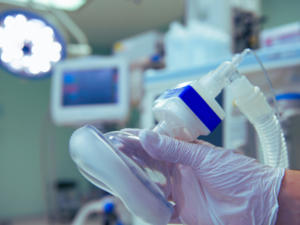
Nitrous oxide, often called “laughing gas,” is a safe, gentle way to help you feel calm and comfortable during dental treatment. You’ll breathe a sweet-smelling mixture of nitrous oxide and oxygen through a small nose mask, and most patients feel relaxed within minutes. You stay awake and able to respond, but anxiety and sensitivity are reduced. The effects wear off quickly after your visit, so you can typically return to your regular routine right away.
Minimal Sedation or Oral Sedation is a safe, commonly used way to help you feel calm and comfortable during dental care. It involves taking a prescribed pill before your appointment, which reduces anxiety and enables you to relax. Many people describe it as feeling drowsy or “dreamy.” You’ll still be able to respond to your dentist, but you may remember little of the visit afterward. Because sedation can affect coordination, you’ll need a trusted adult to drive you home.
Call To See Which Option Is Best For You
Frequently Asked Questions
-
What types of anesthesia are used for dental work?
We offer several anesthesia options to keep your visit comfortable and stress-free. For most fillings and simple procedures, we use local anesthesia to numb the area while you stay fully awake, gently. If you feel anxious, nitrous oxide (“laughing gas”) can help you relax and wears off quickly. For more complex treatment or higher anxiety, oral sedation or IV sedation may be recommended so you’re calm and drowsy. We’ll review your health history and choose the safest option together
-
What restrictions do I have after receiving minimal sedation?
After oral sedation, you’ll need to take it easy for the rest of the day. Because sedation can cause drowsiness and slower reflexes, you cannot drive yourself home. Please arrange a responsible adult to accompany you and stay with you for several hours. Avoid operating machinery, making important decisions, signing legal documents, or drinking alcohol for at least 24 hours (or as directed). Plan to rest, sip fluids, and eat soft foods until you feel fully alert.
Need More Information on Sedation Dentistry?
If you have more questions about dental sedation and the procedures used by LuxeSmile Dentistry, please contact our office and we will be happy to discuss further.