


Root Canal Treatment
Root canal treatment can save a painful or infected tooth and help you avoid an extraction. By removing the irritated nerve tissue and sealing the tooth, it relieves discomfort, stops infection from spreading, and lets you chew comfortably again, often in just one or two visits.
Root Canal Treatment
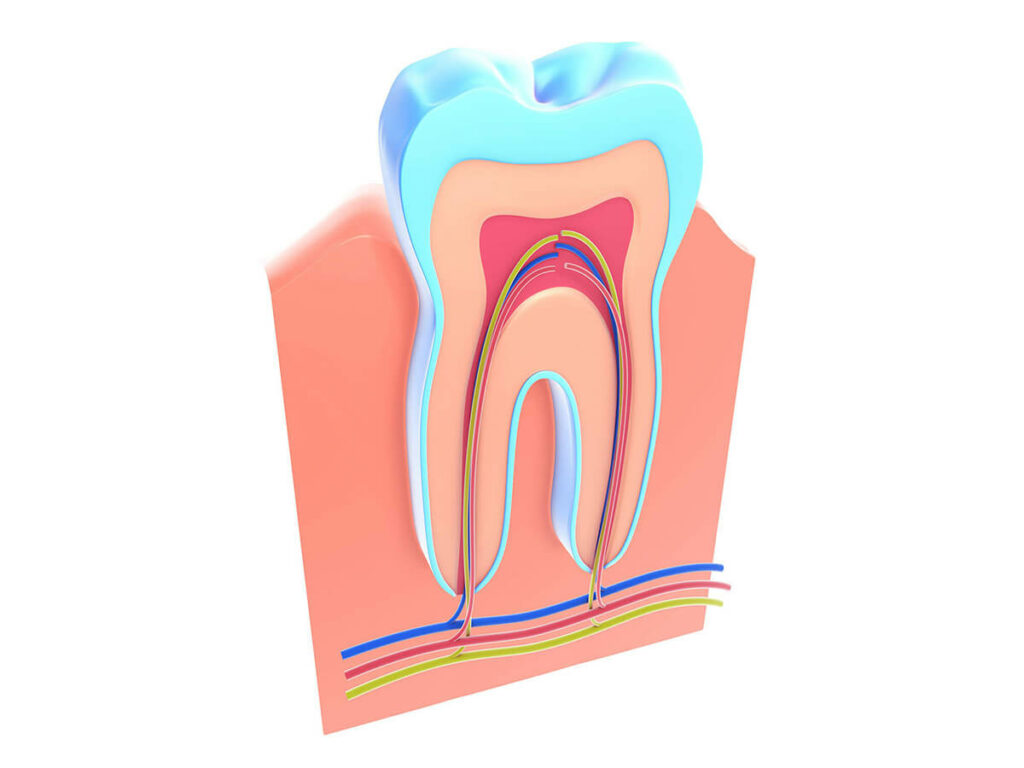
Root canal treatment is a common dental procedure used to save an infected or severely damaged tooth. During treatment, the dentist gently removes the infected pulp inside the tooth, cleans and disinfects the area, and seals it to prevent further problems. A root canal helps relieve tooth pain, eliminate infection, and preserve your natural smile.
Thanks to modern techniques, advanced technology, and effective anesthesia, today’s root canal treatments are typically comfortable, efficient, and often completed in one visit. Most patients are surprised to find the procedure feels similar to getting a routine filling—and leaves them feeling much better afterward.
-
What are symptoms of a root canal?
Persistent tooth pain that lingers or flares when chewing can be a sign of a deeper issue. Sensitivity to hot or cold that lasts after the source is removed, gum swelling or tenderness, and darkening of a tooth may also indicate infection inside the tooth. Some people notice a small pimple-like bump on the gums or a bad taste that won’t go away. While symptoms vary, these warning signs mean it’s time to see your dentist promptly. Early evaluation can relieve discomfort, prevent complications, and protect your long-term oral health.
-
How is root canal treatment performed?
- Consultation and digital X-rays identify infection, explain options, and answer your questions.
- Local anesthesia gently numbs the area, keeping you comfortable throughout treatment.
- A small opening is created to access the damaged inner pulp.
Infected tissue is removed, and canals are carefully cleaned, shaped, and disinfected. - The canals are filled and sealed to prevent future infection.
- A temporary or permanent crown restores strength, function, and a natural appearance.
- Follow-up care and good oral hygiene help ensure long-lasting comfort and healing.
- Most patients return to normal activities quickly, with mild soreness managed easily.
-
Do root canals hurt?
Modern root canals are designed to relieve pain, not cause it. With today’s local anesthetics, most patients say the procedure feels similar to getting a filling—more pressure than pain. If your tooth is already throbbing, you’ll often feel better quickly once the infected nerve is removed. You may be a little sore for a day or two afterward, which is usually manageable with over-the-counter medication. Our team will keep you comfortable, explain every step, and check in throughout your visit.
-
What is aftercare following a root canal?
After your root canal, it’s normal to feel mild soreness or sensitivity for a few days while your tooth and surrounding tissue are healing. Take any prescribed medications as directed, and consider an over-the-counter pain reliever if needed. Avoid chewing on the treated tooth until your permanent filling or crown is placed. Stick with softer foods, keep brushing and flossing gently, and rinse with warm salt water to soothe the area. If swelling, severe pain, fever, or a bite that feels “off” occurs, call us right away.
Want to Learn More About Root Canal Treatment?
To learn more about what root canal treatment entails or to schedule an appointment, contact our team today!