



Fillings & Sealants
Fillings and sealants protect teeth from decay, repair minor damage, and prevent future cavities. These simple treatments restore strength, reduce sensitivity, and help patients of all ages maintain healthy, confident smiles with minimal discomfort and long-lasting results you'll love.
Tooth Fillings and Sealants
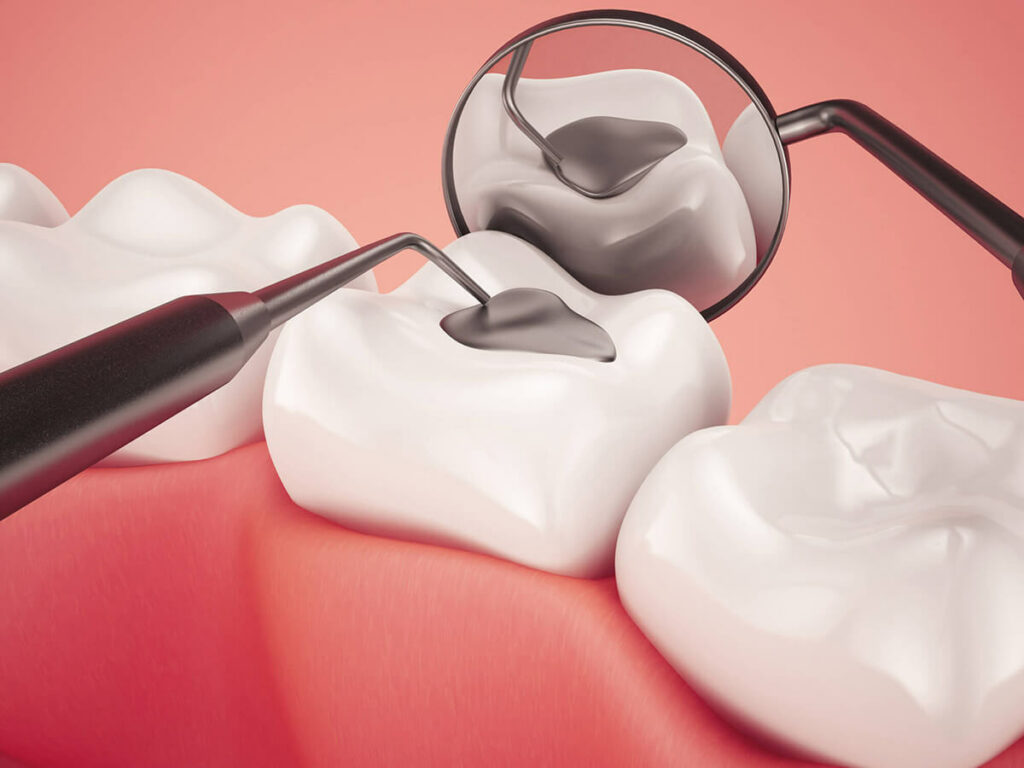
Fillings and sealants are common dental treatments designed to protect and restore your teeth. Fillings repair areas damaged by cavities, removing decay, and sealing the tooth to prevent further damage. Sealants are thin, protective coatings applied to the chewing surfaces of back teeth, where cavities often start. Together, they help stop decay, reduce sensitivity, and preserve your natural tooth structure. These treatments are quick, effective, and tailored to your needs.
By addressing small problems early, fillings and sealants help prevent pain, infection, and more extensive dental work, keeping your smile healthy, strong, and comfortable for years to come.
-
What is the filling process?
- Consultation & Exam: Your dentist examines the tooth and may take X-rays to assess the extent of the decay or damage.
- Comfort First: The area is gently numbed to ensure a comfortable, pain-free experience.
- Decay Removal: Damaged or decayed portions of the tooth are carefully removed.
- Thorough Cleaning: The tooth is cleaned to eliminate bacteria and debris.
- Filling Placement: A durable, tooth-colored filling material is applied in layers.
- Shaping & Polishing: The filling is shaped to fit naturally and polished for a smooth finish.
- Final Check: Your bite is checked and adjusted so your tooth feels comfortable and usually functions.
-
What types of materials are used in fillings?
Modern dental fillings are made from several safe, durable materials chosen to match your needs. Tooth-colored composite resin is the most common option, blending naturally with your smile while bonding securely to the tooth. Amalgam, a silver-colored material, is strong and long-lasting and is often used in back teeth. Porcelain and ceramic fillings offer excellent aesthetics and stain resistance, while gold fillings provide exceptional durability. Our team will recommend the best material based on factors such as location, bite pressure, appearance, and overall oral health. All options are tested and designed for comfort and safety.
-
How long do dental sealants last?
Dental sealants are a durable protective coating designed to shield the grooves of back teeth from cavities. With good brushing, flossing, and regular dental checkups, sealants commonly last 5 to 10 years, and many can last even longer. Because sealants sit on the chewing surface, they may gradually wear down over time, but that’s normal. The good news is that your dentist can quickly check them during routine visits and touch them up or replace them if needed.
-
Who is a good candidate for dental sealants?
Dental sealants are an excellent option for kids and teens who are prone to cavities, especially when new permanent molars come in. They’re also helpful for adults who have deep grooves in their back teeth, a history of tooth decay, or difficulty keeping those areas perfectly clean. If you or your child has healthy molars with little or no existing fillings or decay, sealants can provide extra protection by sealing out food and bacteria. A quick exam can confirm if sealants make sense.
Have Questions About Fillings and Sealants?
For more information on our fillings and sealants, or to request an appointment, contact our team today!